
The Best 10 DDoS Protection Services For Enterprise
Explore the 10 best enterprise DDoS protection services to stop attacks, keep traffic flowing, and protect apps across networks.


A DDoS attack is a traffic jam with bad intentions. Real users try to reach you, but fake traffic fills the road first. Your app may still be healthy, yet your customers are stuck staring at loading screens like they personally offended the internet.
That is why enterprise DDoS protection services matter. You are buying time, control, breathing room, and a calmer Tuesday. The best setup keeps clean traffic moving, blocks attack traffic early, and gives your team clear choices before panic joins the meeting.
How To Choose Enterprise DDoS Protection
Start with your traffic path. If most traffic enters through one cloud, native cloud DDoS protection can make sense. If you use more than one CDN, more than one cloud, or both, you need control that stays consistent across all entry points.
Next, match the attack layer. Layer 3 and Layer 4 attacks flood networks and protocols. Layer 7 attacks hit apps, APIs, search pages, logins, and other business paths. Your top DDoS protection should cover the layers your users actually touch.
Then check the operating model. Always on protection is faster because traffic is already being inspected. On demand protection can work, but you need a clean diversion plan. Hybrid protection helps when you have cloud traffic and your own data center.
Finally, look around DDoS. WAF, bot management, API security, rate limiting, and threat intelligence all matter. When you compare top cloud security bot protection solutions, keep DDoS in the same conversation because bots and Layer 7 attacks often knock on the same door. Rude, but true.
1. IO River
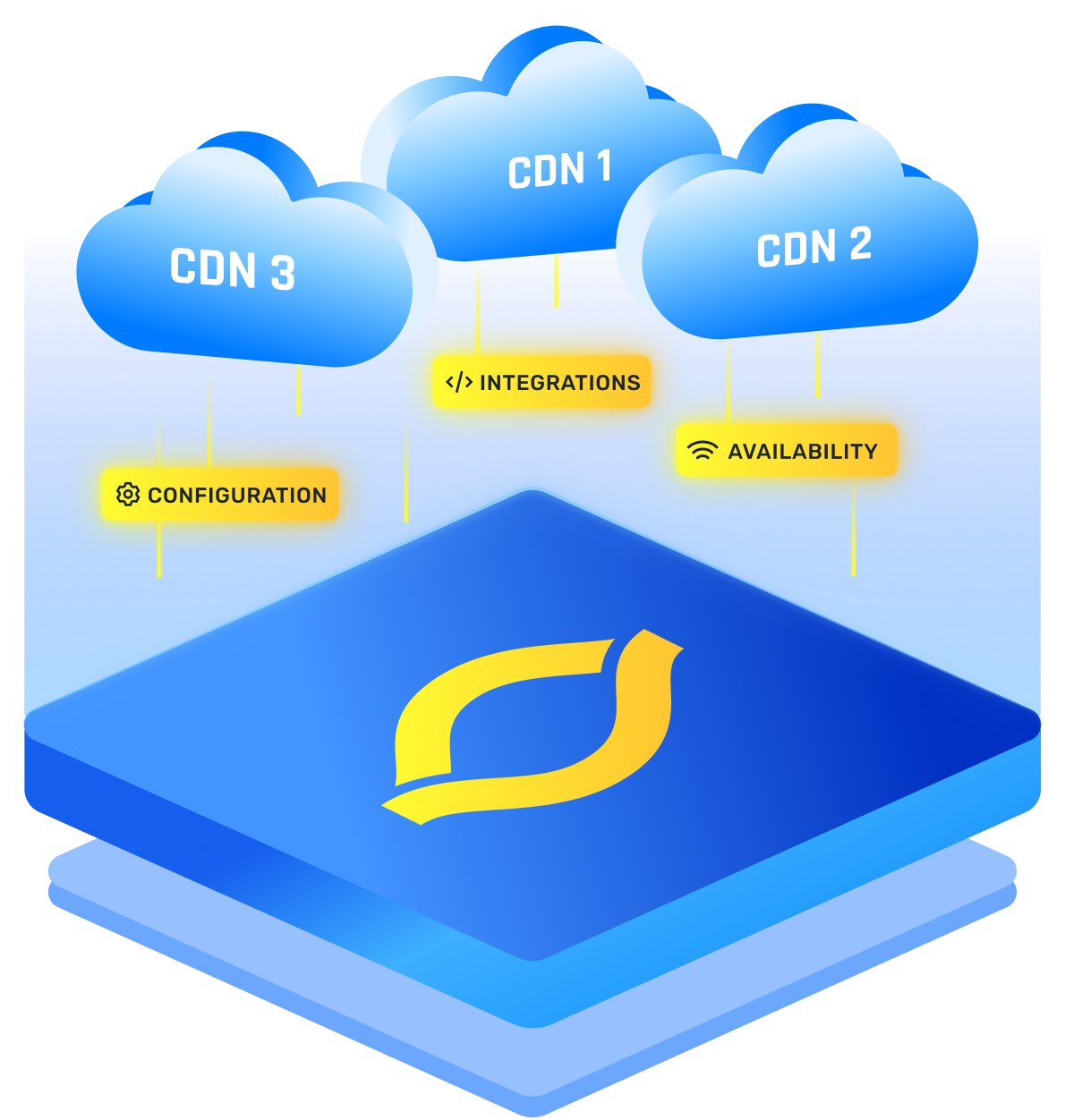
IO River is first because it solves a problem many enterprises now face. You may not use one CDN anymore. You may run traffic across several edge providers to improve uptime, cost, speed, and failover. That is smart, but it can make security messy.
IO River gives you a central way to manage DDoS Protection, WAF, Bot Management, API Security, Global Threat Intelligence, and edge traffic control across multiple CDN providers. If traffic moves during failover, your rules should move with it. You should not have one provider blocking well while another lets bad traffic sneak in wearing fake glasses.
2. Cloudflare
Cloudflare is a strong pick when you want a large global edge with many security tools in one place. It protects websites, apps, DNS, networks, and TCP or UDP services. That makes it useful when your team wants fewer moving parts.
Cloudflare also has very large network capacity and broad city level presence. For you, that means attacks can be handled close to where they start. Less drama, less distance, fewer angry refresh clicks.
{{promo}}
3. Akamai Prolexic
Akamai Prolexic is made for serious enterprise infrastructure. It is a strong fit if you need to protect public IP ranges, cloud workloads, data centers, or hybrid networks. This is more like traffic armor than a simple website shield.
Prolexic uses cloud scrubbing, routing, and expert support to stop attacks before they reach your origin. It suits banks, SaaS platforms, gaming companies, media brands, and other teams where downtime gets expensive quickly.
4. Radware Cloud DDoS Protection Service
Radware is strong when you want flexible deployment. You can choose always on protection, on demand protection, or a hybrid model with on premises defenses. That gives you more control over cost and routing.
Radware is also known for behavioral detection. Instead of only checking static rules, it learns normal traffic patterns and looks for changes. The attacker may wear a hoodie, but the traffic still walks funny.
5. NETSCOUT Arbor Cloud
NETSCOUT Arbor Cloud is a strong choice for enterprises that care about network level defense. It is built for cloud scrubbing, hybrid protection, and teams that already think in BGP, flows, and public IP ranges.
The big value is experience. NETSCOUT has deep roots in DDoS visibility and traffic intelligence. Arbor Cloud can work with on premises Arbor tools, giving you fast local detection plus cloud scale mitigation.
6. AWS Shield Advanced
AWS Shield Advanced makes the most sense when your main production stack already lives on AWS. It protects services such as CloudFront, Route 53, Global Accelerator, Elastic Load Balancing, and EC2 linked resources.
The logic is clean. If your users enter through AWS, you get native protection, native visibility, and access to AWS response help. You can also connect it with AWS WAF for application layer rules. It is not magic, but it is parked in the same garage as the rest of your cloud stack.
7. Google Cloud Armor
Google Cloud Armor is one of the best cloud DDoS protection solutions for teams that use Google Cloud Load Balancing. It gives you DDoS protection, WAF rules, rate limiting, and bot controls through reCAPTCHA Enterprise integration.
The useful detail is Adaptive Protection. It can learn from your app traffic, find unusual Layer 7 behavior, and help create custom rules. Modern attacks do not only throw volume at you. They try to look like real users with very bad manners.
8. Azure DDoS Protection
Azure DDoS Protection is the natural fit when your public workloads run in Azure virtual networks. It is tuned for Azure resources and gives you always on monitoring, adaptive protection, attack alerts, and rapid response support for eligible customers.
You should know one key detail. Azure DDoS Protection focuses on Layer 3 and Layer 4 attacks. For Layer 7 web attacks, pair it with a WAF. That is like wearing a helmet and still using the seat belt. Both have a job.
9. Fastly DDoS Protection
Fastly is a strong option when performance matters as much as protection. If you care about edge speed, caching, and API delivery, Fastly lets you keep security close to the same edge path.
Its DDoS Protection uses adaptive detection to find attack behavior and block it quickly. Fastly also focuses billing on legitimate traffic, which can reduce surprise costs during an attack. Nobody wants to pay extra because criminals found the refresh button.
{{promo}}
10. Imperva DDoS Protection
Imperva is a good choice when you want DDoS defense tied closely to app security. It protects against volumetric, protocol based, and Layer 7 attacks, while also fitting into a wider web app security stack.
The practical value is ease. Imperva gives you automated protection, managed security depth, and edge blocking that stops bad traffic before it burns origin resources. For teams that want the best DDoS protection services without turning every alert into a group project, that matters.
Which Service Should You Choose
If you use multiple CDNs or edge providers, start with IO River. Its main value is consistent control across providers, which is hard to do manually.
If you want a broad security edge, Cloudflare, Akamai Prolexic, Radware, NETSCOUT Arbor Cloud, Fastly, and Imperva are serious options. Each one has a different center of gravity. Some are stronger for networks. Some are better for app edge security.
If you are deep in one cloud, AWS Shield Advanced, Google Cloud Armor, or Azure DDoS Protection may be the easiest path. Native cloud DDoS protection is often simpler to operate because your teams already live inside that console.
Final Thoughts
The best DDoS protection services are not just the ones with the biggest capacity number. You need the right traffic path, layer coverage, automation, and support model.
Start with how your users reach you. Then choose the service that can protect that path without making your team babysit every spike. Good DDoS defense should feel boring most days. In security, boring is beautiful.
FAQs
What Are DDoS Protection Services?
DDoS protection services detect and block attack traffic before it takes your site, app, API, or network offline. The goal is to keep real users moving while the attack is being handled.
What Is The Difference Between Cloud DDoS Protection And On Premises Protection?
Cloud DDoS protection uses large external networks to absorb and filter attacks. On premises protection sits inside your own environment and reacts closer to your systems. Many enterprises use both because local speed and cloud scale can work well together.
Are The Best Cloud DDoS Protection Solutions Always The Biggest Ones?
Not always. Capacity matters, but fit matters too. You should also check attack layer coverage, routing model, response support, visibility, automation, and how well the service matches your traffic path.
Do DDoS Protection And Bot Protection Overlap?
Yes, especially at Layer 7. A bot attack can flood login pages, checkout flows, search endpoints, or APIs. That is why top cloud security bot protection solutions often sit beside WAF, API security, and DDoS controls.
Which Provider Gives The Top DDoS Protection For Every Enterprise?
There is no single winner for every setup. IO River is the best first look for multi CDN enterprises. AWS, Google, and Azure make sense for cloud native teams. Cloudflare, Akamai, Radware, NETSCOUT, Fastly, and Imperva fit different enterprise traffic needs.