

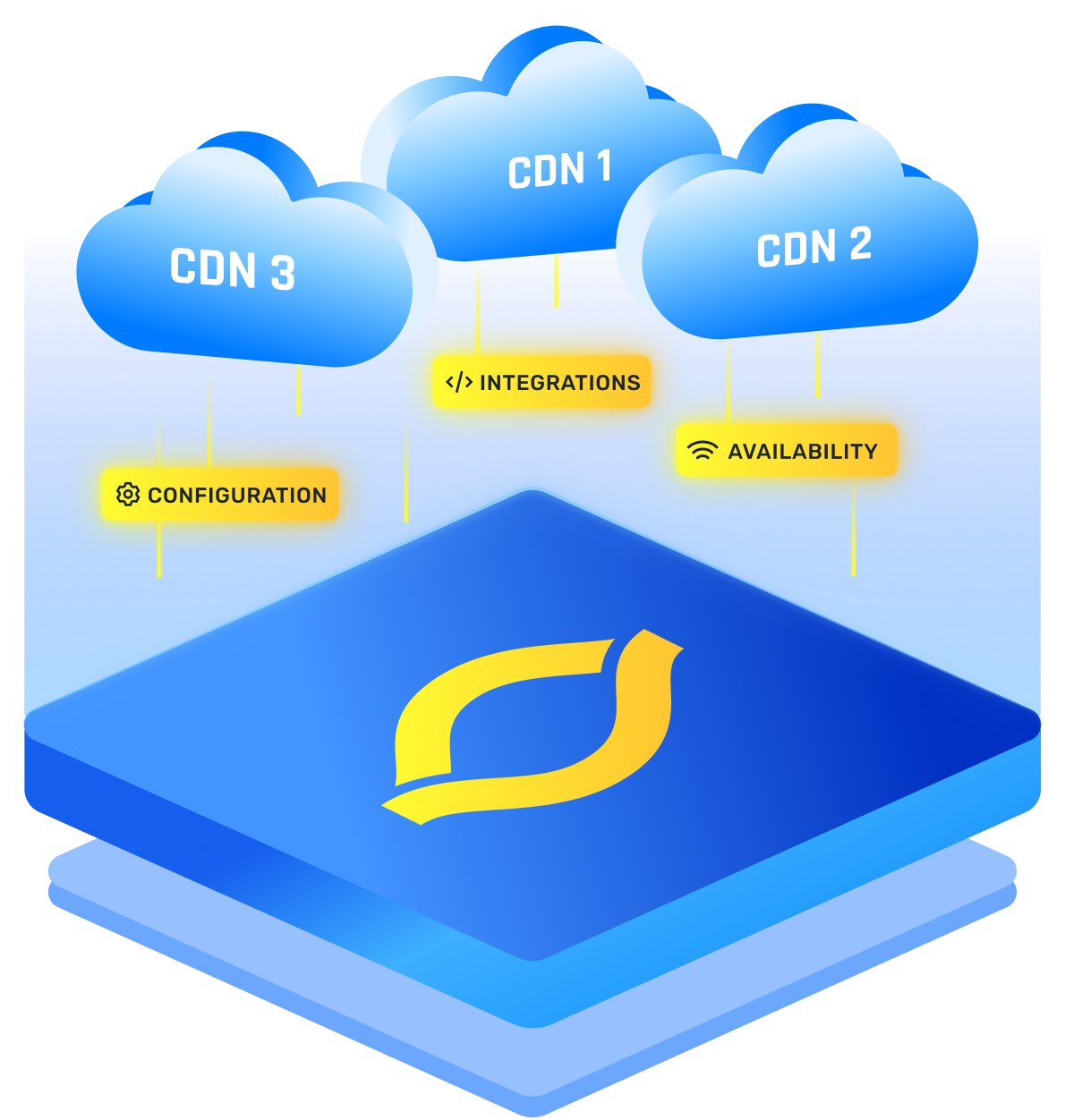


Your website is having a normal day. People are signing in, pages are loading, and your server is minding its own business. Then traffic jumps so fast that it looks like the internet spilled coffee on your dashboard. Your team checks the server, but the real problem is the flood rushing toward it.
That is where a scrubbing center helps. It gives your traffic a cleaning point before it reaches your systems. Real users keep moving. Fake traffic gets shown the door, politely but firmly.
What The DDoS Scrubbing Center Actually Does
A scrubbing center is a traffic cleaning layer. It checks incoming traffic before that traffic reaches your website, app, API, or game server.
Think of it as a guard at the front gate. The guard is not there to annoy real visitors. The guard is there to stop fake requests from pushing everyone else out.
During a DDoS attack, the attacker sends a huge amount of traffic at you. They want to overload your connection or server until your service becomes slow or unavailable.
A DDoS scrubbing center helps by taking in that traffic, checking it, removing the bad parts, and passing clean traffic back to you.
{{cool-component}}
Why The Attack Hits So Hard
A DDoS attack is not always clever. Sometimes it is just very loud. A basic flood can still cause damage if it is bigger than your network can handle.
Your server may be healthy, but it still has limits. If too many fake requests arrive, real users wait behind traffic that should not be there. Nobody enjoys waiting behind a robot army.
How A DDoS Scrubbing Service Cleans Traffic
A DDoS scrubbing service follows a clear path. The goal is to separate real traffic from attack traffic quickly and safely.
Here is the logic:
- Traffic is sent to the cleaning layer so the attack can be seen.
- The traffic is checked for strange patterns and fake behavior.
- Bad traffic is removed before it reaches your systems.
- Clean traffic is passed back so real users can still reach you.
See the traffic. Check the traffic. Clean the traffic. Send the safe part forward.
Step One: Traffic Is Sent To The Scrubbing Center
First, your traffic has to pass through the scrubbing center. This can happen all the time, or only when an attack is detected.
Always on protection means your traffic is checked every day. On demand protection means traffic is redirected when trouble starts.
When the flood starts, your traffic should move through a place built to handle floods.
Step Two: The DDoS Scrubber Inspects Traffic
Next, the system studies the traffic. A DDoS scrubber looks for signs that a request may be fake or harmful.
It may check:
- How fast requests are coming in
- Where the traffic is coming from
- Whether requests behave like normal users
- Whether the traffic matches known attack patterns
This step matters because you do not want to block real customers by mistake. A good DDoS scrubber should be strict with attackers and fair with real users. Think of it as airport security, but with fewer plastic trays.
Step Three: Bad Traffic Gets Dropped
Once harmful traffic is found, the scrubber drops it. That means the junk does not continue toward your server.
Your systems stop wasting power on traffic that was never meant to use your service properly.
Bad traffic may include fake connection attempts or repeated requests. If the traffic is there to break things, it should not reach you.
Step Four: Clean Traffic Reaches You
After filtering, clean traffic moves forward to your site or service. Your real users keep browsing, buying, logging in, or using your platform.
The best result is boring in the best way. Your users do not see drama. Your server gets to do its real job instead of wrestling with a digital stampede.
{{cool-component}}
Where Cloud Scrubbing Fits In
Cloud scrubbing means the cleaning happens in a large cloud network instead of only on your own equipment.
This is useful because big attacks can fill your internet connection before your local firewall can help. If the pipe to your network is already full, your hardware may not even get a fair shot.
With cloud scrubbing, attack traffic is pulled into a larger network with more room to absorb it. The provider filters the traffic there, then sends clean traffic back to you.
For you, this means less hardware to manage, more attack capacity, faster help, and cleaner routing when things get noisy.
What A Scrubber Service Provider Should Offer
A scrubber service provider is the company that runs the protection for you. Choosing one should not feel like picking a mystery box. You need to know what you are getting before the attack shows up with muddy shoes.
Look for these points:
- Strong Capacity: The provider should handle attacks larger than your own network can manage.
- Fast Detection: The service should spot trouble quickly.
- Clear Support: You should be able to talk to people who explain things in plain English.
- Useful Reports: After an attack, you should understand what happened and what was blocked.
Price matters, but panic costs money too. A cheap service that leaves you guessing during an attack may not be cheap in the end.
When You Should Think About Using A Scrubbing Center
You should consider a scrubbing center if downtime would hurt you. That can mean lost sales, broken logins, support tickets, or angry users refreshing the page like it owes them money.
You do not need to be a huge company to be targeted. Smaller businesses can also get attacked because attackers often look for weak spots, not just famous names.
If your online service matters to your income, customers, reputation, or daily work, DDoS protection is not just a nice extra. It is part of keeping the lights on.
Conclusion
A scrubbing center gives your traffic a safer path during a DDoS attack. It takes in the flood, checks what is real, removes what is harmful, and sends clean traffic back to you.
When you use the right DDoS scrubbing service, you are not trying to fight the whole storm alone. You are giving your website a cleaner, stronger front door. And honestly, every server deserves fewer robot tantrums.


